Most people assume a power outage means a few inconvenient hours without Netflix. The reality is far more dangerous. An extended grid failure triggers cascading collapses across water systems, food supply chains, medical infrastructure, and social order. According to research referenced by EMP Commission reports, up to 90% of Americans could die within a year of a prolonged grid-down event.
The question isn’t whether you’ve heard about grid vulnerability. It’s whether you’ve honestly assessed your own gaps. Here are the clearest signs you’re unprepared for power grid failure.
You Have Less Than 72 Hours of Food and Water Stored
Ready.gov recommends checking emergency supplies before predicted weather events, yet most households don’t maintain even a basic stockpile. If your pantry holds three days or less of shelf-stable food, you’re already behind. Water is the more urgent problem, since municipal pumping stations run on electricity, meaning your tap goes dry within hours of a grid failure, not days.
The standard calculation is one gallon per person per day. A family of four needs at least 12 gallons for a 72-hour window, and far more for anything beyond that. According to community infrastructure discussions on preparing for a worst-case USA power grid blackout, water scarcity begins almost immediately, well before food becomes the primary concern. If you haven’t stored water and don’t own a filtration system, that’s a critical gap worth closing now.
You Believe Your Gas Stove and Furnace Will Work
This is one of the most dangerous misconceptions in grid failure preparedness. Most natural gas systems rely on electric pumps, valves, and igniters to function. When the grid goes down, your gas appliances typically go with it.
Signs of this gap include owning no wood-burning stove, no propane camp stove, and no alternative heat source. For people in cold climates, this isn’t a minor inconvenience; it becomes life-threatening within days during winter. As one Quora contributor noted, “if the entire grid is down, it will mean no Natural Gas,” a correction that most mainstream preparedness guides fail to make clearly enough.
You Have No Backup Power and No Renewable Alternative
Owning a generator is a starting point, but generators have a fatal flaw: they run on fuel. Fuel supplies deplete quickly and become impossible to resupply during an extended outage. If your entire backup power strategy depends on a generator with two days of fuel stored, you’re not prepared for anything beyond a short-term disruption.
- No generator or battery bank at all
- Generator present but less than one week of fuel stored
- No solar panels or renewable charging capability
- No knowledge of your home’s daily watt consumption
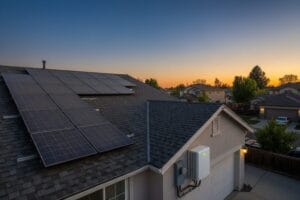
A grid down survival guide on backup power duration illustrates how quickly even well-stocked fuel reserves run out when powering refrigeration and basic lighting simultaneously. Solar offers a renewable alternative that doesn’t share this limitation.
You Haven’t Accounted for Medical Dependencies
This is the most underserved category in grid failure planning. Insulin requires refrigeration. Home oxygen concentrators run on electricity. Dialysis patients depend on powered medical facilities. If anyone in your household relies on electrically dependent medical equipment and you have no backup power plan, the risk is immediate and severe.
Extended grid failure produces what researchers describe as four waves of casualties: first from medical device failure, then from loss of medication refrigeration, then from contaminated water, and finally from social breakdown. Most people focus on wave four while ignoring wave one.
You Don’t Know Your Neighbors and Have No Community Plan
Physical supplies matter, but the social dimension of grid failure is consistently overlooked. People who are isolated, with no relationships with neighbors and no community communication plan, face compounding risks. Security becomes a real concern when resources are scarce and institutions have failed.
As preparedness blogger Gubba Homestead points out, even well-prepared individuals should “act like you are as down-and-out as everyone else. Blend in.” That advice only makes sense if you’ve thought through the social dynamics of a grid-down scenario. If you haven’t discussed a family communication plan, identified a meeting point, or established any neighbor relationships, those are measurable signs of unpreparedness.
You Have No Cash and Total Digital Dependency
ATMs fail without power. Card readers stop working. If your financial preparedness consists entirely of a debit card and a smartphone, you lose purchasing ability the moment the grid goes down. Beyond money, people who rely solely on smartphones for navigation, medical information, and communication are acutely vulnerable when those devices can no longer charge or connect.
Addressing these gaps doesn’t require extreme survivalism. It requires honest self-assessment and incremental action. Our complete emergency power backup guide covers specific options for every budget and living situation, including solutions for renters who can’t install permanent systems.
The Provident Prepper puts it plainly: “A power outage can be inconvenient or, if you are unprepared, it can be devastating.” The difference between those two outcomes comes down to whether you’ve done the diagnostic work before the lights go out.


Comments